Learn More About Us

Frequently Asked
Questions

Ink Scribe Publishing is a creative services agency that supports authors through the steps of preparing a book for release. Depending on your needs, this can include editing, book and cover design, formatting for print and ebook, and practical guidance on the process. We work collaboratively, keep communication clear, and aim to make each stage understandable, so you can make decisions with context and stay in control of your project.
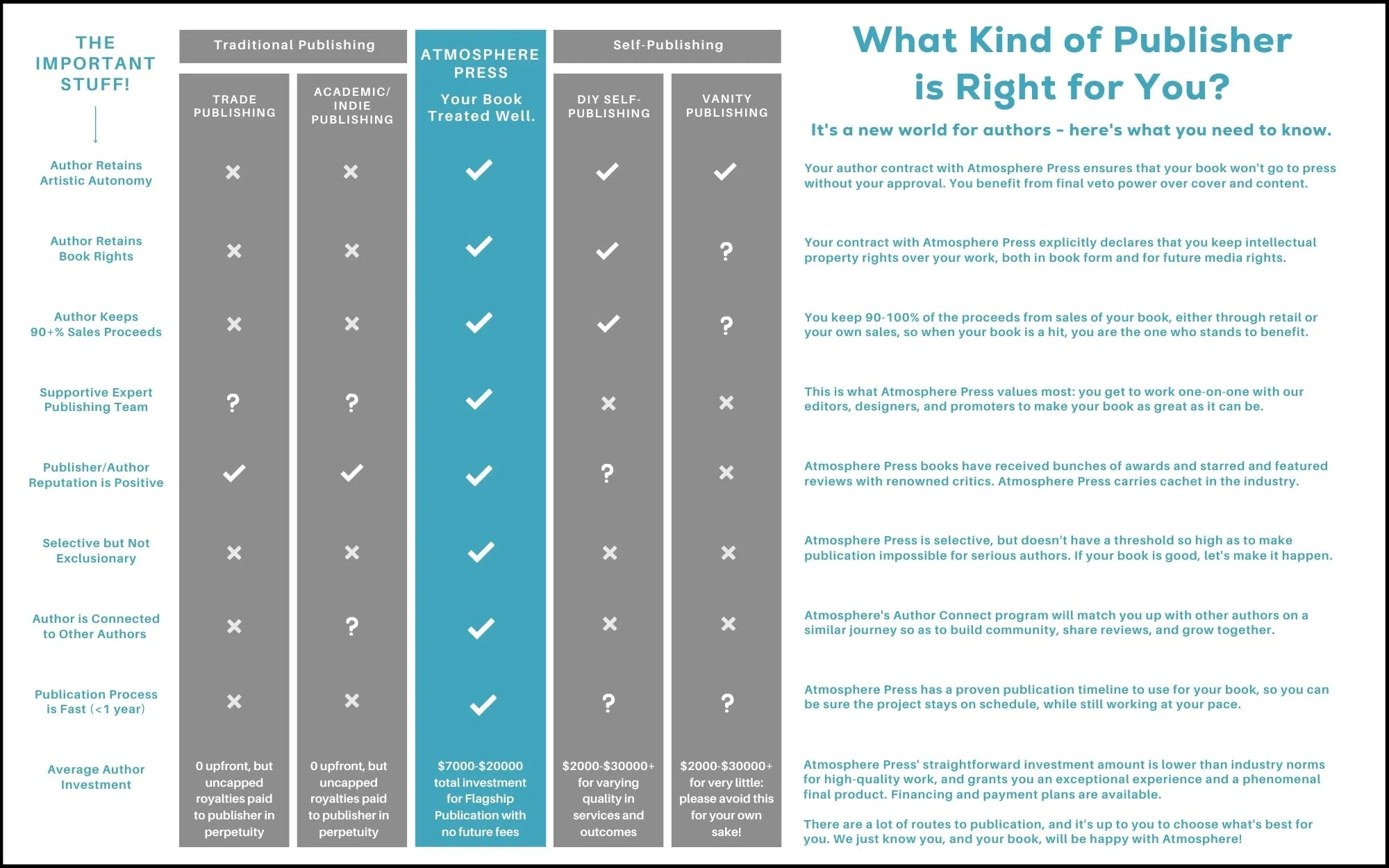
We work with authors at different stages: first-time writers, returning authors, and writers moving from one publishing approach to another. Projects can be fiction, nonfiction, poetry, or short-form collections. The common thread is that the author wants support with the creative and technical steps, without losing their voice. If you're unsure whether your project fits, we can review your goals and suggest a reasonable path.

Services typically include developmental editing, line editing/copyediting, proofreading, cover design, interior layout, eBook/print formatting, and assistance with preparing launch materials, such as book descriptions or media basics. Some authors require full support across all stages; others only need one piece, such as formatting or a proofread. We can create a plan tailored to your manuscript's current needs, and add steps later if your timeline changes.

We support a wide range of genres, but not every project is a match. Fit often depends on timeline, scope, and whether we have the right editorial and design support available. If your book is highly specialized, we may suggest adjustments or recommend a collaborator who fits the topic better. The goal is to set expectations early so you can choose the best next step for your manuscript.

Developmental editing focuses on structure and big-picture clarity. Line editing looks at style and flow at the paragraph and sentence level. Copyediting checks grammar, consistency, and details like names and timelines. Proofreading is the final polish after layout. Many projects use more than one type, but not always at once. We can recommend a starting point after reviewing a sample and your goals.

If you're unsure, start with a short assessment or sample review. We look at clarity, structure, consistency, and readiness for design and formatting. Then we suggest options—what to do now, what can wait, and what might be optional. This keeps you from paying for steps out of order and helps you plan a sequence that matches your draft and timeline.
Yes, depending on what you need. Some authors want early developmental feedback while drafting. Others want a structure review or guidance on revision planning. For design and final formatting, the manuscript generally needs to be stable. If you're mid-draft, we can focus on big-picture guidance and help you set milestones so the later stages are smoother.

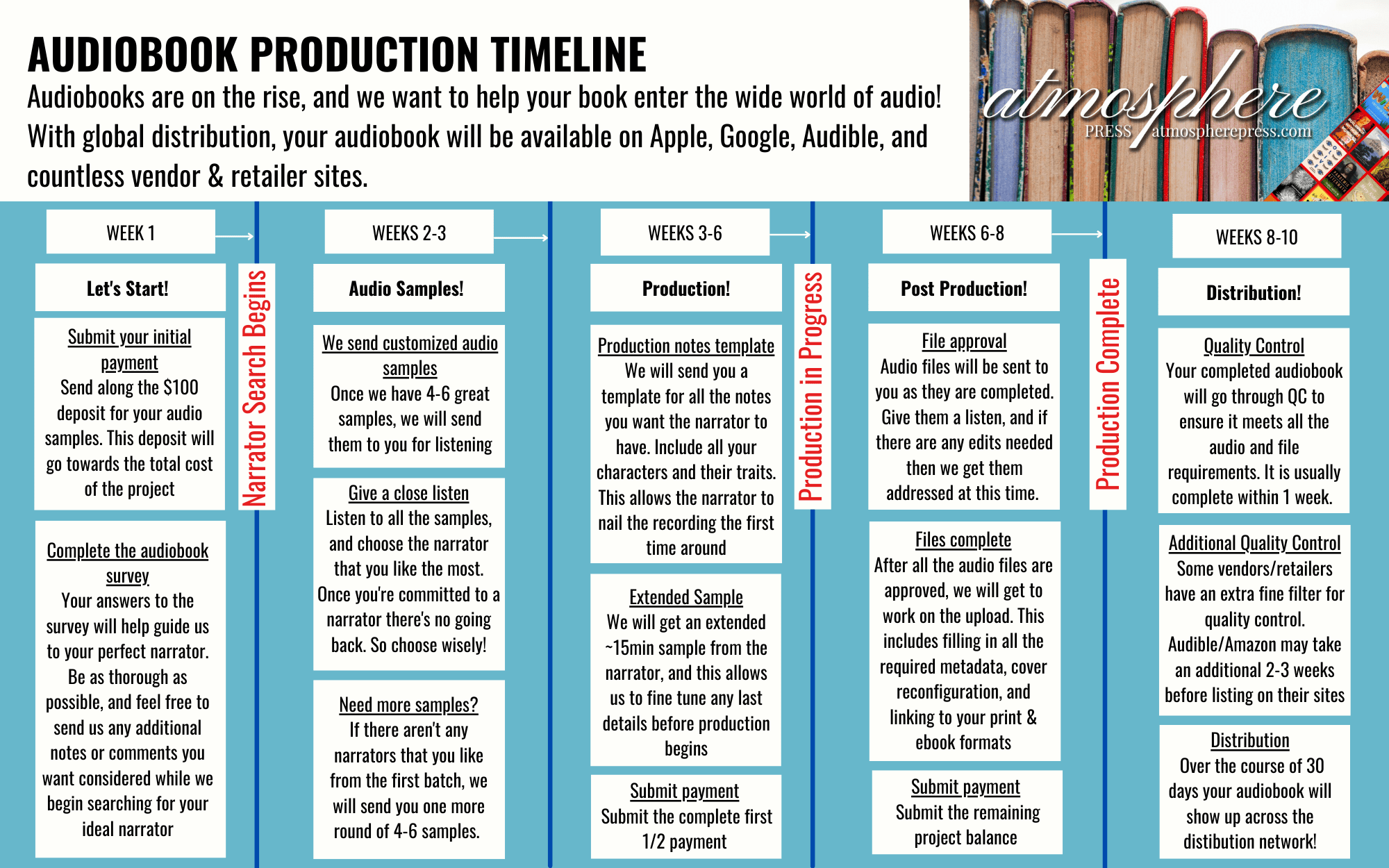
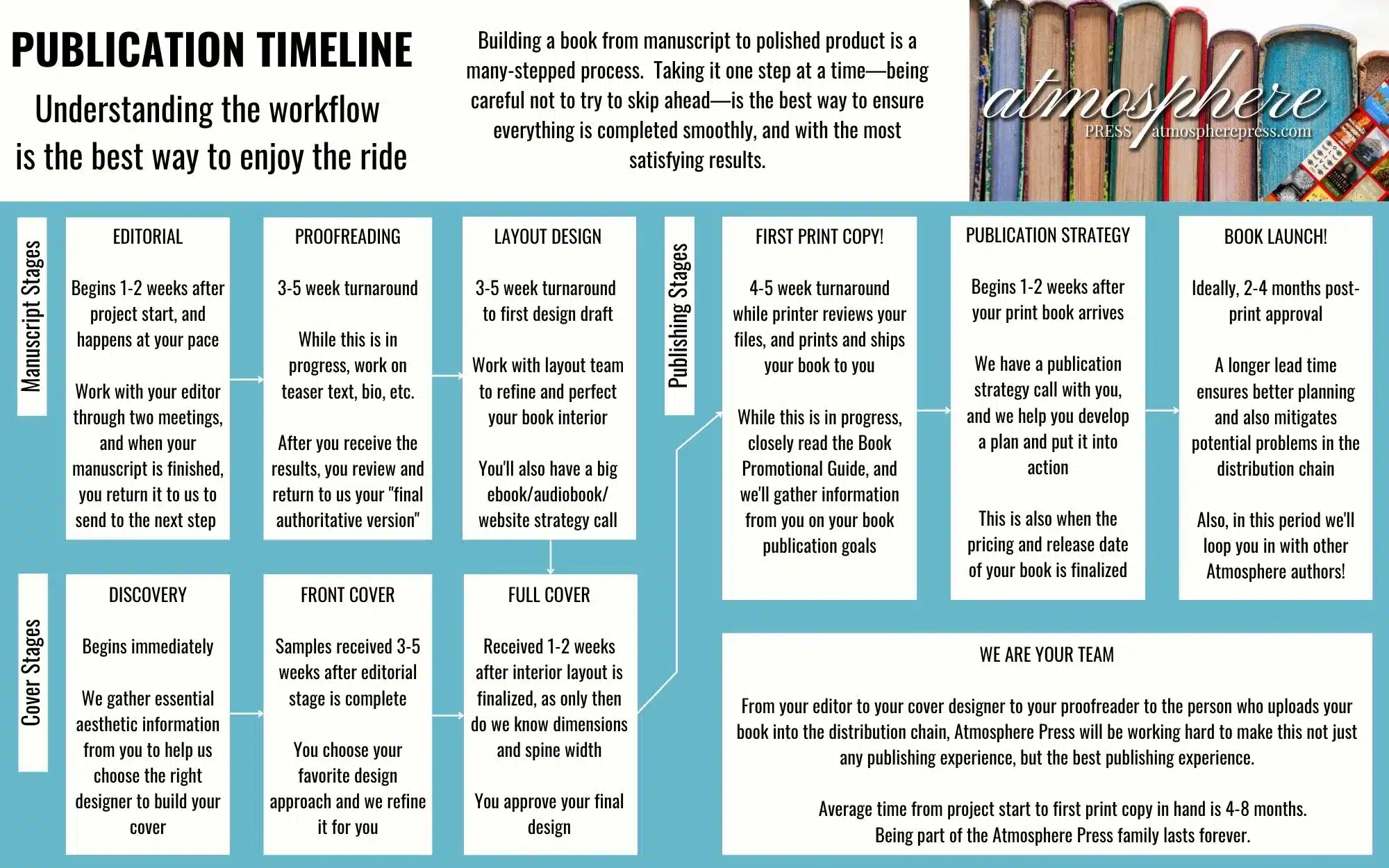
Most projects move through stages: intake, editorial work, revisions, design, formatting, proof review, and final delivery. You'll review materials at key points and confirm decisions before we move forward. Timelines vary by scope, manuscript length, and how many rounds of revision you want. We'll keep the steps clear, share what we need from you, and explain what's happening at each stage.

Timelines depend on the service mix and the condition of the manuscript. Editing can take several weeks, followed by revision time that varies by author. Design and formatting also take time, especially with proof rounds. If you have a target date, we can assess whether it's realistic and suggest tradeoffs—like fewer revision rounds or focusing on the highest-impact steps first.

We can work either way. Some authors prefer a bundled set of services (editing + design + formatting), while others want a custom plan based on what they already have. We'll keep the scope clear so you know what's included, what's optional, and what would require an add-on. The goal is a plan that fits your draft, budget, and timeline without unnecessary steps.

Pricing is usually based on manuscript length, service type, complexity, and the number of review rounds. A poetry collection, for example, may have different layout needs than a nonfiction book with tables or images. After a quick review of your project details, we can provide a quote that breaks down what's included. If you want to adjust the cost, we can discuss scope changes and priorities.

If you need to split payments, we can discuss payment scheduling based on project milestones. The goal is to keep the financial side predictable while keeping the project moving. If you're given a custom amount or schedule, we'll confirm it in writing so it matches the agreed scope. Availability for payment schedules can depend on timelines and the current project load.

In general, authors retain rights to their manuscript and book content. Our role is to provide creative services and deliverables, not to take ownership of your intellectual property. Any use of your materials—such as showing a cover in a portfolio—should be discussed and agreed to in advance. We'll make sure terms are clear, so you understand what you're granting and what you're not.

A contract typically covers the scope of work, deliverables, timeline expectations, payment terms, revision rounds, and how approvals work. It also clarifies ownership of the manuscript and how project files are delivered. If something is unclear, we encourage questions before signing. The goal is to reduce surprises by documenting how the collaboration will run and what happens if timelines shift.

Life happens. If you need to pause, we'll document where the project is, what files are current, and what the next step would be when you resume. Depending on timing and collaborator schedules, restarting may require adjusting the timeline or rebooking certain stages. We'll be straightforward about what can be held, what needs updates, and what might change when you return.

That depends on the service. Editing often includes one main round plus author Q&A; some projects add a second pass. Design usually includes a defined number of revision rounds for cover and interior. Proof stages include corrections, but large rewrites after layout can require additional work. We'll specify revision rounds up front so you know what feedback cycles are included and what would be extra.

Yes. If you already have an editor, designer, or illustrator, we can coordinate with them as long as roles are clear and files meet production requirements. Some authors use us for formatting only, or for project coordination while keeping their existing team. We'll confirm file formats, deadlines, and approval points so the handoffs stay smooth and the final output remains consistent.

Yes. We can start with a short creative brief: genre, comparable covers you like, themes, mood, and any non-negotiables. From there, we develop concepts and refine based on feedback. If you're unsure what you want, we can share references and explain why certain choices fit a market category or reading experience. You'll always have final approval before anything is finalized.

Yes. Formatting can include print-ready interior files and ebook files, depending on your needs. Print formatting focuses on page layout, margins, typography, and consistency. Ebook formatting focuses on clean structure and compatibility across devices. If your book has images, tables, or special formatting, we'll review requirements early because those elements can affect timelines and file preparation.

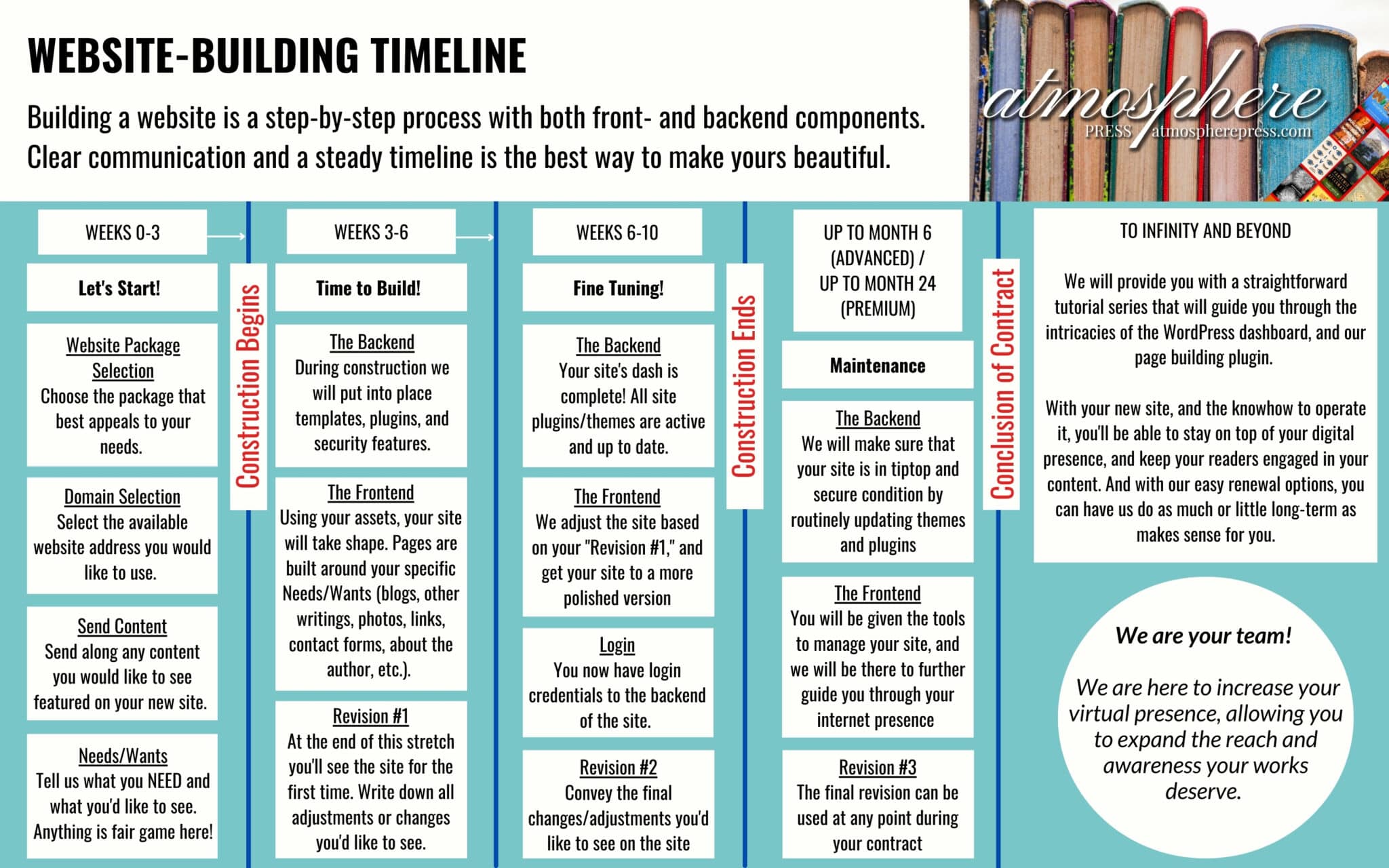
We can help you prepare the files and metadata needed for distribution and guide you through common setup steps. Authors typically choose the channels they want to use, and we help ensure the technical pieces are ready: interior files, cover files, descriptions, keywords, categories, and author info. We keep the process practical and explain what each choice affects so you can decide what fits your goals.

We can support author-facing materials—book description copy, press kit basics, graphics, and outreach preparation—depending on what you need. We avoid hype and focus on clarity: what the book is, who it's for, and how to present it consistently. Some authors only want foundational materials; others want help creating a simple launch plan. We'll be clear about the scope and what's realistic.

We can help you prepare the materials needed for submissions—synopsis, author bio, description copy, and clean files—plus guidance on organizing a submission list. Outcomes vary and aren't predictable, so we keep this support process-focused rather than results-focused. If awards and reviews are part of your plan, we'll help you build a timeline and make sure the book is presented clearly.

Most communication happens through email and shared documents, with scheduled check-ins when helpful. We keep notes on decisions, track questions, and confirm approvals at key stages. If you prefer fewer meetings, we can work asynchronously with clear summaries. If you want live calls at milestones, we can do that too. The priority is consistent communication that matches your working style.

Start by sharing a short project overview: genre, word count, where your draft stands, and what support you're looking for. If you have a target timeline, include that as well. We may ask for a sample or a few chapters to recommend the right editing level. From there, we'll propose a scope, timeline, and quote—so you can decide your next step without pressure.